
Mesa Verde: My Favorite National Park
- Issiah Rau
- Feb 12
- 3 min read


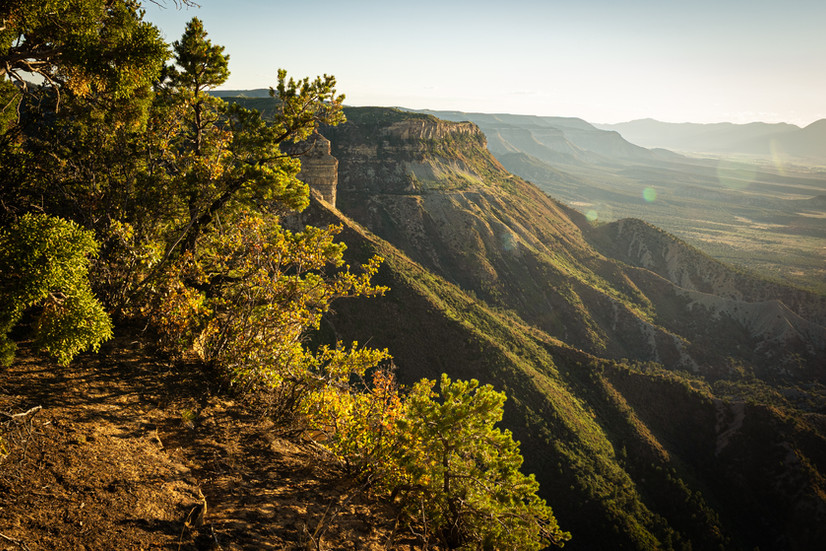


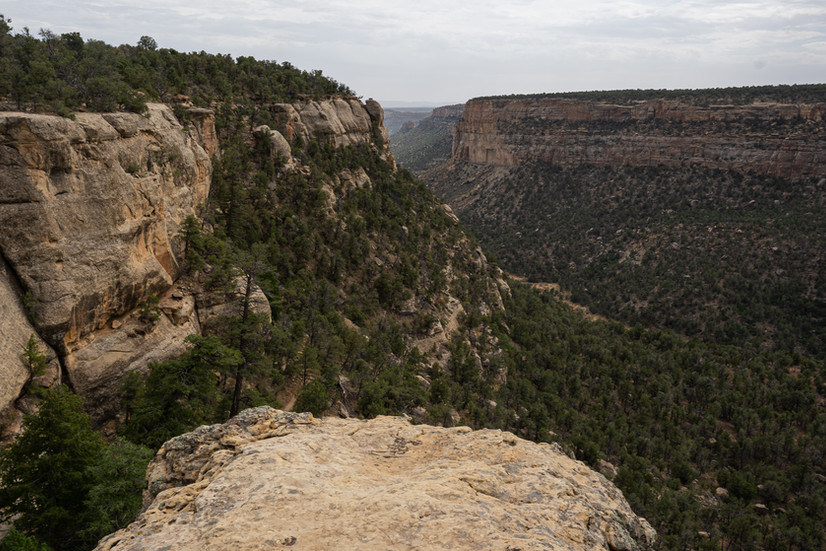









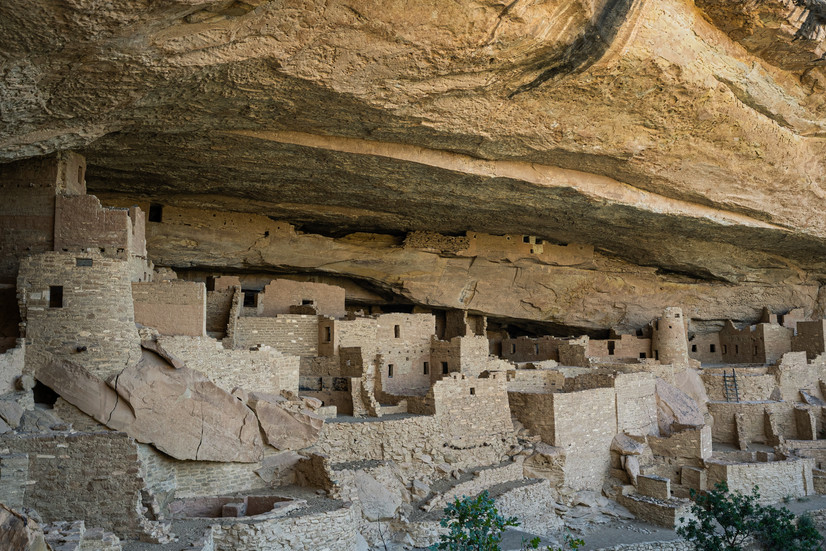





I recently embarked on a road trip through southern Colorado, with a jampacked list of destinations and hikes on AllTrails. One of my highlighted destinations was just a photograph of these Pueblo villages, that appear to be nestled underneath a cliff. I did some research and discovered these structures reside in Mesa Verde National Park, and are only accessible by tour. I was very intrigued and decided to dedicate a few days to checking this National Park off my list.

Nestled in Colorado's southwestern region, Mesa Verde is literally a hidden gem! The park resides south of San Juan National Forest, and just north of the Ute Mountain Reservation territory, which marks the beginning of a long stretch of reservation land connecting Colorado with Utah, Arizona and New Mexico. Within a generation or two, the Ancestral Pueblo people began migrating south into present-day New Mexico and Arizona, leaving behind their remarkable homes. But why? I asked as I decided to go investigate myself.

The park's location to this vast stretch of reservation land is no coincidence, as I learned Mesa Verde was actually the first known home location for the Ancestral Pueblo people. For over 700 years, these people thrived on this high desert mesa, building intricate stone dwellings and cultivating a life in harmony with the land. From around the years 550 to 1300, they shaped the region with pithouses, pueblos, towers, kivas, and the now-iconic cliff dwellings carved into sandstone alcoves. (1) When you visit Mesa Verde, the best way to see these dwellings is to book a tour with the park, which only costs 8 dollars! The rangers are incredibly knowledgeable of this region and it's sacred heritage, I highly recommend you refer to them when travelling to this park. There is also a museum jampacked with information at the park's center, I'd highly recommend checking out.

These architectural feats are surely the park's most unique features from an outside perspective, but this park is filled with much more than what meets the eye. This region is abundant with wildlife, beautiful scenery, hiking, a museum that includes a 30-minute video on the history of Mesa Verde, and much more. There's a 45-minute podcast episode, "Mesa Top Loop Drive" you can play while you drive around the park's rim, with stunning views of the mountains, and the cliff dwellings that are nestled all throughout the park.

After touring the Balcony House, I went on the hike to Petroglyph Point. This was about a 2.5 mile hike down-and-up, and is known to be a bit more challenging than the "moderate" tag it receives on AllTrails. There is a portion of this hike where you have to be able to climb up a couple rocks and a ladder back up. I encountered a family on this trail that might have not been ready for that challenge, as I ended up helping some folks up the rocks at the end of the trail. However, the views atop the canyon rim are easily accessible, you can skip the "down and up" portion of this hike by simply sticking to the "up" side of the trail. The climax of this trail is reaching the Petroglyph Point! You may decipher what the petroglyphs mean on your own, since no one fully knows...


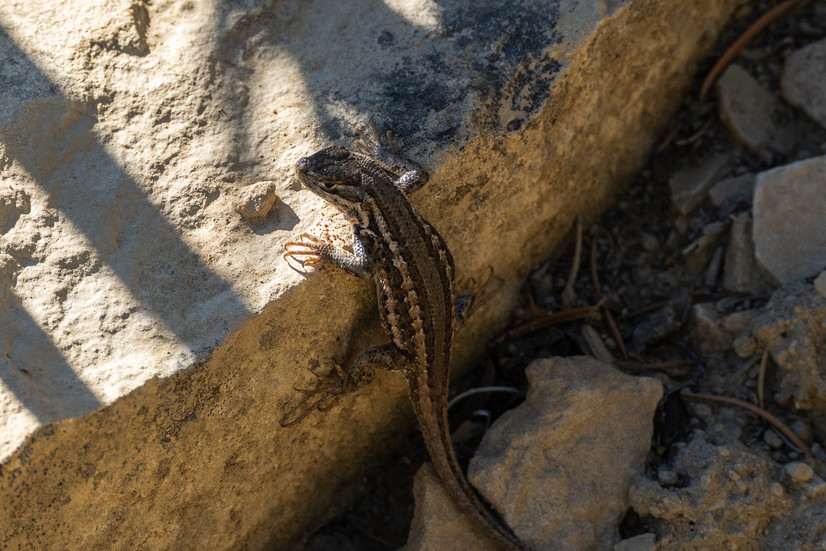
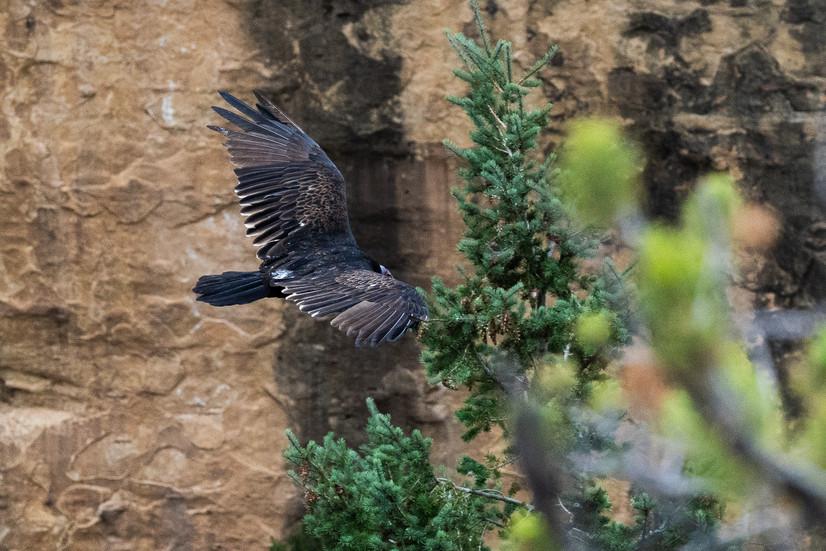
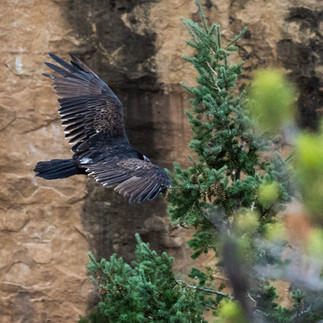
Along the path, there is an abundance of opportunity to see wildlife! Over 200 species of birds, of a wide variety of shapes, sizes, and colors reside here. The most popular Piñon-Juniper Woodlands fly so quickly it's almost impossible to spot one, let alone photograph. If you look close enough you may spot a Mexican Spotted Owl, as the park provides a breeding habitat for them. The golden eagles patrol the skies, and give the impression they control the area while the smaller critters and creatures scatter when the eagles come close. While hiking here, I viewed myself as some sort of warden of these birds, watching as they go, trying to understand their movements and actions. These birds represent integral parts of the natural world, as well as important cultural symbols by the people for whom Mesa Verde is an ancestral homeland. To those people, birds represent messengers to and from the heavens, and their feathers are important objects for use in prayer and ceremony, their colors imparting important cultural meaning. (2)




Comments